Your solar company went out of business — here’s what to do next
Next steps for homeowners with solar panel systems and defunct solar companies
For a variety of reasons, a few notable solar companies have gone out of business or declared bankruptcy in the past couple years. It’s unfortunate, but it happens. Big or small, in an industry as competitive and challenging as solar, companies fold for a variety of reasons.
But that leaves homeowners with one big question: What happens if your solar company goes out of business?
The not super satisfying answer is: it depends. The steps you take next are determined by several factors, like whether your company had a contingency plan or has been acquired, whether you own or lease your system, and whether you have any outstanding warranties.
But not to worry, we’ll walk you through the essential next steps to protect your home and your renewable energy investment for a brighter future.
In this article:
- What happens to your solar system when a company shuts down
- What happens to your solar warranties if your installer goes bankrupt
- How to find solar maintenance and repairs after your installer closes
- Why solar companies go out of business
- How to protect your solar investment going forward
- Frequently asked questions
What happens to your solar system when a company shuts down
For system owners and those who lease alike, if your installer closes their doors it will impact your solar system. How you proceed will be determined by a few essential factors:
Which company went bankrupt?
- Installer: Follow up on your installation and work warranties. An installer’s bankruptcy shouldn’t affect your product warranties unless the solar company also produced the product.
- Equipment: Follow up on equipment-related warranties. Your installation warranties shouldn’t be affected by an equipment company’s bankruptcy.
What type of bankruptcy?
- Chapter 11: This is a reorganizational bankruptcy. The business can still operate as it attempts to restructure its debts. You may still be able to get service and fulfill warranties during this type of bankruptcy.
- Chapter 7: The business is closing and liquidating its assets. You’ll need to find a new service partner or company to work with for further system needs.
What is your project status?
- Fully installed: This is the best-case scenario. If your system is fully installed, you just need to find a new company to work with for solar maintenance and support.
- Incomplete: This is a more complicated situation. You’ll need to know from the affected company what work has been completed and what remains to be done before finding a new company to finish the project.
What type of ownership do you have?
- You own it: If you own the solar panel system, you’ll need to find a new service provider.
- Leased/Power Purchase Agreement (PPA): If you have a lease or PPA, the contract will likely be purchased by another third-party company, just as it would if your bank went out of business. Find out who acquired the agreement, and follow up with them about payments.
Once you have the answers to these questions, there are a few steps to think about next.
Contact the equipment manufacturer
If your solar installation company went bankrupt, any standing product warranties should remain intact. However, if the equipment manufacturer went bankrupt, your product warranties may be affected. Either way, you’ll want to contact the equipment manufacturer to confirm.
To do that, identify the manufacturer(s) of each of your solar system components (they may not all be the same). These details may be found on the parts themselves, in your user manuals or installation documents, or on any monitoring software you use. If they are still in business, you can also try contacting your installer.
Check if your account was transferred to another company
Sometimes, in a bankruptcy, another company will come in and purchase the bankrupt company or its contracts. If your solar company goes under and this happens, they’ll notify you. You should receive a transfer notice by mail or email with new information regarding whom to contact for future payments or work.
If that notice never arrives, look at your contract for any contingency information. From there, if you’re still unsure, contact your solar company directly.
Contact your loan provider or financier
Bankruptcy for your solar installer doesn’t cancel any existing loans, leases, or PPAs. You’ll still be obligated to pay for your solar panel system. The best thing to do is to get in touch with your loan provider, financier, or third-party funder directly for financial next steps.
Hire a licensed solar electrician for repairs or unfinished work
Moving forward, you’ll need a solar electrician expert for repair and solar panel maintenance. This is important to keep your solar panels functioning at their best. If you own the system outright, you can make this adjustment right away. Solar installers often offer this service.
If you lease your system, find out if your contract is being acquired before contacting an electrician, since maintenance and repairs are the responsibility of the owner.
If your solar installer goes bankrupt and your system is unfinished, you’ll need to find a reputable, certified solar installer to finish the job. You want to ensure they are North American Board of Certified Energy Practitioners (NABCEP) certified.
Get a solar maintenance estimate with just your zip code and find vetted, NABCEP-certified technicians in your area.
What happens to your solar warranties if your installer goes bankrupt
Any solar warranties you have in place may be affected if they’re directly connected to the bankrupt solar company.
- Workmanship warranties will be affected by installer bankruptcies.
- Product/performance warranties will be affected by manufacturer bankruptcies.
Third-party or extended warranties can help protect against unforeseen warranty interruptions, such as bankruptcy.
How to find solar maintenance and repairs after your installer closes
Although your solar installer has gone out of business, it’s important to remember that your solar system still works! It will continue generating energy as long as it’s operational. But you, as the homeowner, need to ensure it’s working at its best.
If you’re already using monitoring software, continue to track your system’s performance. If you aren’t, be sure to start so you can catch issues as they arise. With or without a maintenance contract, the system will eventually need maintenance or repairs.
What if your installer handled all maintenance?
Some homeowners have operations and maintenance (O&M) agreements directly with their installer. When your installer goes out of business, that agreement will become void. Look into your service contract to see if there are any transferable third-party warranties or service agreements, and check for any manufacturer warranties.
Moving forward, you may have necessary repairs covered by those warranties.
Finding local, third-party service providers
For any repairs or maintenance not covered by an equipment warranty, you’ll need to contact a local expert for help. Search for a local NABCEP-certified technician, installer, or licensed solar electrician. You can do this by Googling local providers or asking neighbors with solar panel systems for recommendations. In either case, you can then vet them by looking into their industry background and online reviews.
Depending on what you need done, try to find someone who has experience with your specific solar equipment. There’s also a rise in third-party O&M companies specializing in taking over orphaned solar systems.
What about panel cleaning and system monitoring?
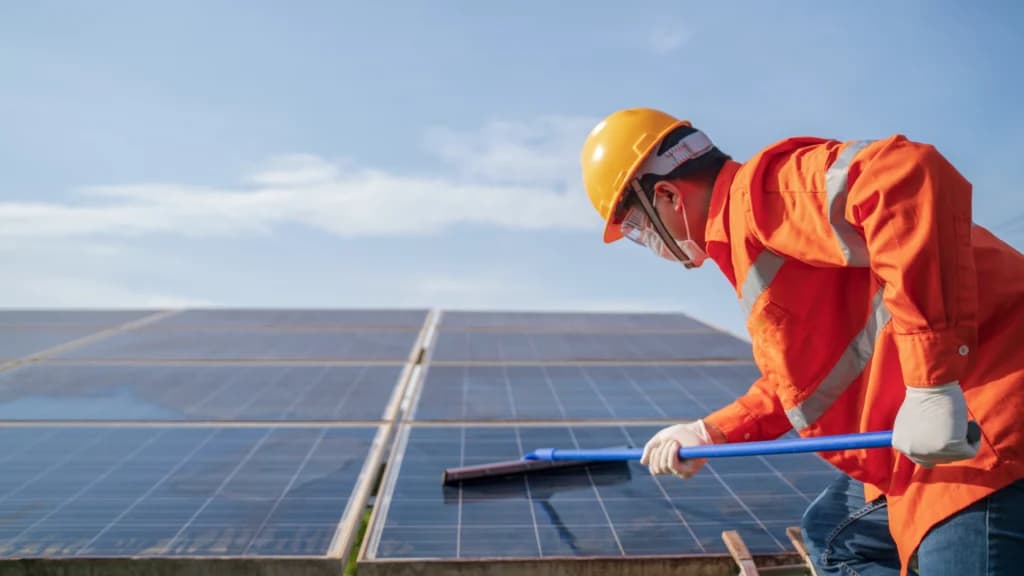
Here’s the good news: It’s possible to clean solar panels yourself. You shouldn’t take this task lightly or just jump up on the roof and do it (seriously, please don’t do that), but DIY solar panel cleaning is possible. However, if you have a complicated or steep roofing system, consider hiring experts to do the job for you. (Again, we can’t stress this enough, don’t just get up on your roof and go to town.)
As for monitoring your system, an installer going out of business shouldn’t impact that either. That’s because monitor sensors are usually related to the inverter. As long as the inverter company is still in business, you should be able to get help troubleshooting or repairing any monitoring issues.
Don’t forget that your solar system should be inspected annually to ensure it is working at optimal levels.
Why solar companies go out of business
Like any industry, companies come and go. Solar companies go out of business for any number of reasons, from mismanagement to inefficiency.
Solar has also recently been hit with policies like the One Big Beautiful Bill Act (OBBBA) (we didn’t name it) that have made it tougher on installers. This is true at the state level, too. When states like California reduce their net metering benefits, for example, it makes it more difficult for solar.
How to avoid problematic solar companies
There’s no way to guarantee that the installer you choose will stay in business for the long haul. However, you can seek out well-established solar installers to lessen your risk. There are a few ways to help align yourself with reputable solar companies:
- Always get three quotes: The Better Business Bureau (BBB) suggests that consumers should always get at least three quotes for a significant investment or job. This gives you an idea of what you’re paying for and how competitive the prices are.
- Vet the companies: Read the reviews, check their certifications, and see how long they’ve been in business, even for larger companies. Another good way to look into a company’s background is to find its BBB score.
- Use a marketplace: Connect with fully vetted solar companies and get instant quotes on Aurora’s installer platform.
How to protect your solar investment going forward
The best way to safeguard your solar investment is to work with a highly reputable solar company when you invest in your solar system. However, unforeseen closures can happen, so it’s also essential to take steps to protect your solar panels if your installer goes out of business.
| When Your Solar Company Shuts Down: Quick Checklist _ Review your contract for transferable warranties _ Confirm warranty coverage with equipment manufacturers _ Check if your account was transferred to another company _ Contact your loan provider or financier about payments _ Hire a NABCEP-certified technician for repairs or unfinished work _ Keep up with monitoring, cleaning, and annual inspections _ Vet future providers carefully to safeguard your investment _ Enter your zip code to connect with a trusted local maintenance provider → |
You’ll also need to keep monitoring your system, clean it, and schedule inspections. Even in the face of an installer bankruptcy or closure, you can still keep your system generating solar power for years to come.
Haven’t gone solar yet? Get a quote from trusted installers.
Frequently asked questions
What are the immediate steps I should take if my solar company goes out of business?
If your solar installer goes out of business, start by reviewing your contract for any transferable or equipment warranties, especially if your installer was also handling maintenance. Next, contact your equipment manufacturers directly to confirm which warranties are still valid. If your system is unfinished, reach out to the company to understand what work remains, then find a NABCEP-certified installer to complete the job. Finally, contact your loan provider or financier to confirm your payment obligations haven’t changed.
What happens to a warranty if a company goes out of business?
It depends on the type of warranty. Product and performance warranties are tied to the equipment manufacturer, not the installer. So, if your installer closes but the manufacturer is still operating, those warranties remain valid. Workmanship warranties, however, are tied to the installer and will likely be voided. This is why third-party or extended warranties can be valuable — they provide a backstop if either party goes out of business.
Can I still receive maintenance and repair services from other providers?
Yes! Your system will continue generating power regardless of whether your installer is still in business. For ongoing maintenance and repairs, search for a local NABCEP-certified technician, installer, or licensed solar electrician. Look for someone with experience servicing your specific equipment. There’s also a growing number of third-party operations and maintenance (O&M) companies that specialize specifically in taking over orphaned solar systems, which can be a good option if you want a long-term service relationship.
What happens to my solar lease or Power Purchase Agreement if the company closes?
In most cases, your lease or PPA contract will be sold to another company as part of the bankruptcy process, kind of like what happens when a bank is acquired. You should receive a formal transfer notice by mail or email with instructions on where to send any payments and who to contact going forward. If you don’t receive a notice, check your original contract for contingency clauses, then contact the company or its bankruptcy administrator directly. Your payment obligations remain in place regardless of the transition (sorry).