Do I need a new roof before solar?
How to know if, and when, to replace your roof before solar installation
Before going solar, you may be facing a difficult choice: Should you replace your roof before installing solar panels? A new roof isn’t always required, but because high-quality solar panels last over 25 years, your roof needs to be solid enough to support a solar system over decades of use.
This guide helps you determine if, and when, roof replacement makes sense before going solar. We’ll walk through the costs, potential savings, warranty considerations, and timing tips, drawing on Aurora Solar’s expertise in solar design and installation.
In this article:
- How to determine if you need a new roof before getting solar panels
- Benefits of replacing your roof before solar installation
- Timeline and coordination tips for roofing and solar projects
- What if you need to replace your roof after going solar?
- Are solar shingles worth it?
- Final decision guide: should you replace your roof first?
- Frequently asked questions
How to determine if you need a new roof before getting solar panels
When planning a solar installation, it’s crucial to remember how long solar panels last. Monocrystalline and PERC panels typically last 25-30 years, while roofs can last anywhere from 20 to well over 50 years, depending on the material. For this reason, it’s often a good idea to replace your roof ahead of a solar installation, since the system could outlast the roof.
Replacing or repairing your roof ahead of your install can prevent costly issues later, since roof work becomes more complex once panels are in place. A professional roof inspection is the best way to ensure your home has a solid foundation for a solar system and avoid problems like leaks or warranty complications.
Signs your roof might need to be replaced
At some point, all roofs need to be replaced. While age may indicate it’s time for a new one, there are several other signs to keep in mind as well. Here are some warning signs you should consider before installing a new solar panel system:
- Age: Your roof is nearing the end of its lifespan (20-50 years, depending on material)
- Leaks: Water is seeping in through the attic or ceiling
- Water damage: Stains, rot, or mold indicate moisture is compromising the roof
- Sagging: Sections of the roof are drooping, suggesting structural weakness
- Vegetation: Moss, plants, or even small trees are growing on or in your roof
How roofing material affects solar compatibility
Solar panels may generate solar energy from sunlight, but interestingly, they don’t work as well if they get too hot. Increased temperatures make them less efficient since the heat causes resistance to the electricity conversion. The U.S. Department of Energy says that traditional roofs in some areas can heat up to 150° F in the summer, but so-called “cool roofs” can be about 50 degrees cooler due to reflective materials that reduce heat absorption. These reflective coatings or lighter-colored materials can be found across roofing materials, including asphalt shingles.
According to research presented in the International Journal of Low-Carbon Technologies, cool roofs are good for solar panels because they reduce surrounding temperatures, which in turn can keep your home cooler, reducing electricity costs.
Why a professional roof inspection matters
Even if you aren’t considering a solar panel system, an annual roof inspection is one of the best ways to protect your home. According to the National Roof Certification and Inspection Association (NRCIA), many roof problems homeowners encounter are due to a lack of maintenance.
Having an annual roof inspection can help identify issues before they become more serious. Many solar installers also offer roof inspection, and even roofing, services.
Benefits of replacing your roof before solar installation
In addition to potentially avoiding a costly reinstallation process, there are several other benefits to replacing your roof before installing a new solar system. These benefits include potential bundling deals and lining up your warranties.
Cost and financing considerations
There is no guarantee that replacing a roof before getting solar means you won’t have to replace it again while you still have the system. Still, by starting with a new roof, you reduce the likelihood of paying $200-$500 per panel to uninstall and reinstall your system in the future.
Some companies also offer solar and roofing bundle deals, where they install both at once at a cheaper cost — with an average of $4,000 in savings, according to the National Renewable Energy Laboratory. You may also be able to combine the costs into one solar financing agreement.
Warranty alignment
Depending on how your solar panels are installed, there’s a chance they could void any existing roof warranty you might have. If a hole is made in the roof to install the frame, for example, that penetration could void your existing roof warranty. Many solar installers provide their own workmanship warranties to cover this risk, but it’s important to understand the details of each agreement. By replacing your roof first, you can align both warranties so any future issues are covered without gaps.
Timeline and coordination tips for roofing and solar projects
Before you begin, schedule a professional roof inspection. An inspector can help determine if your roof is solid enough for a solar panel installation, if it needs replacing, or if it simply needs repair work. Once you make that determination, you’ll likely need to apply for a building permit for the solar system, as well as the roof replacement if applicable — most installers will do this for you. What permits you need and how long they take to process depend on where you live. Keep in mind that permit approvals can take up to several weeks.
One way to maximize your efficiency is to work with the same company for both the roof and solar panel installation. This will reduce the downtime in between the installs so you can get your renewable energy system operating faster.
| Installation Step | Typical Duration |
| Inspection & Site Assessment | 1–2 weeks |
| Design & Permitting | 2–8 weeks |
| Roof Replacement (if needed) | 1–3 weeks |
| Solar Panel Installation | 1–3 days |
| Final Inspection & Utility Interconnection | 1–4 weeks |
| Total Project Duration | 2–6 months |
What if you need to replace your roof after going solar?
If you need to replace your roof after solar panels have been installed, you will likely have to pay for the panels to be temporarily removed. During that time, your solar power production will stop. It will only start back up when the system is back in place and reconnected. This process involves:
- Uninstallation: Your solar installation company will detach and safely store the panels.
- Roof replacement: A roofing contractor will install the new roof. They do not handle any solar-related work (unless the solar company does the roof).
- Reinstallation: The solar company will reinstall and reconnect your system.
If you don’t have one company do both jobs, coordination between the roofing and solar companies is important to prevent accidental damage and ensure warranties remain valid.
How much does it cost to remove and reinstall solar panels?
It generally costs anywhere from $200-$500 per panel, so the cost can add up when you get to a dozen or more solar panels. The general range for a whole system removal and reinstallation can be $3,000-$12,500.
Are solar shingles worth it?
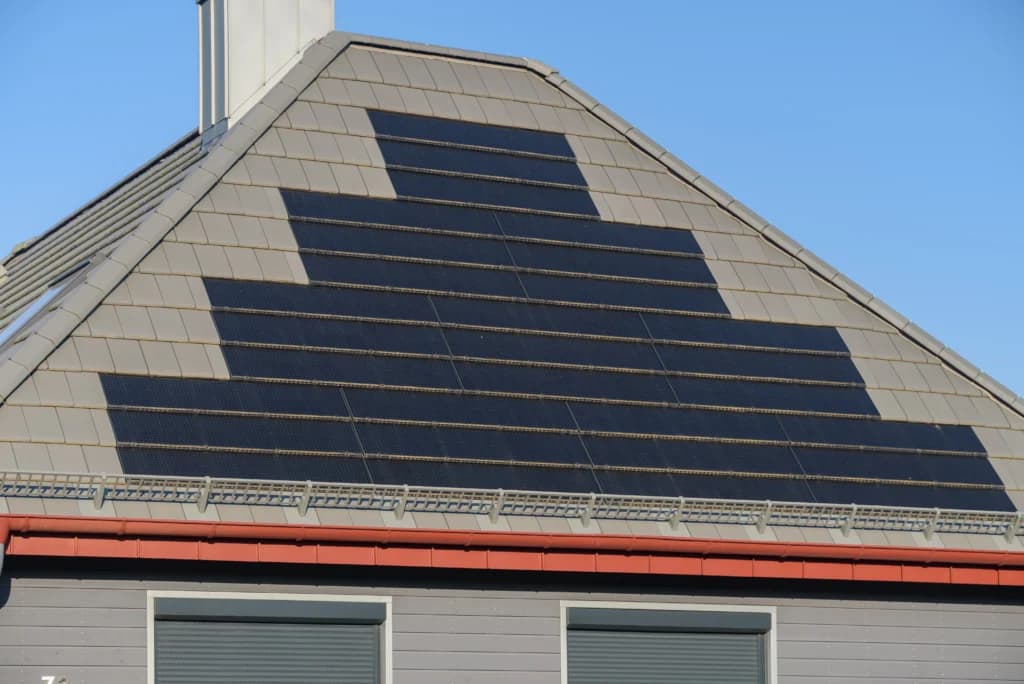
Solar shingles combine the roof protection of shingles with the energy-gathering power of solar technology all in one. They come in two varieties: copper-indium-gallium-selenide (CIGS) or monocrystalline silicon.
Solar shingles are more expensive than the average solar system, generally running between $35,000 and $75,000 depending on the size of your install and other factors. Solar shingles are also not as efficient as solar panels — but they will still save you money on your electricity bill. They make sense if you need to replace the roof anyway, and you prefer a seamless, integrated look of the roof without an obvious solar panel system in place.
Final decision: Should you replace your roof first?
Choosing to replace your roof before getting a new solar panel system really depends on your specific situation. You’ll have to consider your budget, timeline, and existing warranties before making a decision. For some, replacing the roof first is a great fresh start with two new installs that will last for decades together. For others, it makes more sense to maximize the lifespan of the current roof before investing in a full replacement.
In either case, when you’re ready to reduce your energy costs and live in a more sustainable household, be sure to compare your options with Aurora Solar.
Frequently asked questions
How much does it cost to replace a roof with solar panels?
If you already have a solar panel system, you generally have to have it uninstalled and reinstalled to get a roof replaced. Depending on the size of your solar panel system, it could cost anywhere between $3,000 – $12,500 to remove and replace all of the panels. The roof itself will likely cost at least $10,000 plus installation, again, depending on the size and complexity of your roof.
Does homeowners’ insurance cover solar panels on the roof?
It depends. Some homeowners’ insurance covers solar panels, but not all policies do. It’s vital to check with your agent and your coverage to see what is and is not covered.
Do solar panels void your roof warranty?
It depends on the warranty. The solar panels themselves won’t necessarily void the warranty. However, damage from the installation can nullify a warranty. For instance, drilling holes for a panel racking system can void a warranty. Be sure to check your roof warranty as well as the solar company’s before installation.
Can I finance my roof and solar together?
Potentially! If you work with the same company for both the solar panel installation and the new roof, you can finance the work together. By bundling, you can also save money on the installation, depending on the offers from the solar installers.